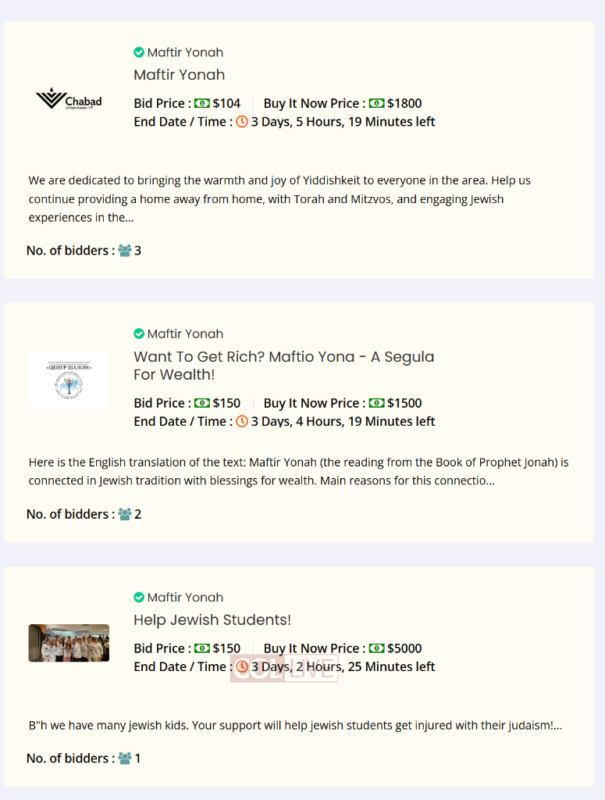

Last Tishrei, when Kibid quietly launched, shluchim and anash jumped right in. By the time everyone was back in their sukkah for dessert, more than $104,000 had been raised for Chabad Houses worldwide. Yes, you read that right — one hundred and four thousand dollars, all from people buying kibbudim online.
This year, Kibid is back for round two — bigger, smoother, and with even more chances to score the kibud you’ve been dreaming of (and maybe the brachos that come with it).
Maftir Yonah: The Crown Jewel
In many shuls, the bidding for Maftir Yonah at Mincha on Yom Kippur is the highlight of the entire auction. And for good reason: for generations, Maftir Yonah has been regarded as packed with segulos:
Parnassah and financial success
Shidduchim — with plenty of stories of engagements soon after
Children, health, and general hatzlacha
“There are many hidden segulos in it,” the Rebbe once said when asked why everyone wants it. Rabbi Gavriel Zinner notes in Nitei Gavriel (Yom Kippur 62:16) that it’s a classic segulah for wealth and good fortune.
Rabbi Menachem M. Hecht of Chabad of Forest Hills North says he has seen it firsthand. One man waiting seven years for a shidduch got engaged just weeks after winning Maftir Yonah. Another watched his business grow exponentially.
What’s Kibid?
Think of Kibid as eBay for shul kibbudim — only here, the “prize” is a bracha, not a package in the mail. You log in, pick the honor you want (Maftir Yonah, P’sicha Neilah, Chosson Torah, and more), place a bid, and if you win — the zechus is yours.
If you’re not physically in shul, no problem. Someone local goes up, while the Mi Shebeirach is said in your Hebrew name. The merit is credited to you or whoever you bought it for.
Stories of Brachos
Founder Yosef Shidler says Kibid grew out of his own experience. Years ago, he won Chosson Torah through a Chabad House, paying it off in small installments. “Two days after I finished the payments, I met my wife,” he recalls.
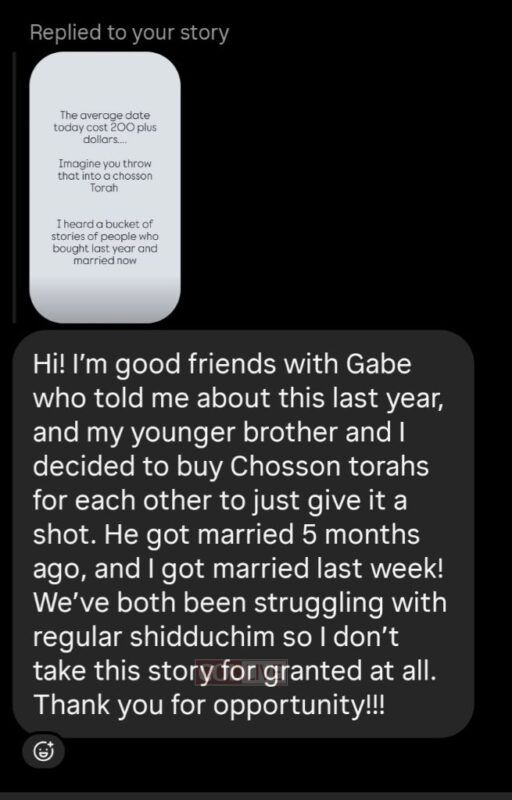
Others share similar stories. A young woman purchased Chosson Torah from a Chabad on Campus in Orlando. She finished paying around Pesach, and just two weeks later, she met her husband. Today she’s happily married — and encouraging all her friends to buy kibbudim.
Rabbi Yossi Lew of Chabad Peachtree, Georgia, remembers two men who benefited from Kibid last year. One landed his dream job around Pesach. The other, a kohen in his 50s who had never married, suddenly found himself busier and more fulfilled than ever.
Why It Matters
For many shluchim, Kibid is more than a fundraiser — it’s what covers the yom tov kiddush, the honey cake, the security guard, and yes, even the break-fast spread. In smaller communities especially, the funds raised from kibbudim auctions are what keep the lights on.
And Kibid adds something else: accessibility. Honors that usually go for thousands can start as low as $100. People can bid from anywhere in the world, and even gift kibbudim to family or friends. Last year, a mother in Baltimore bought Chosson Torah from a New Jersey shul for her daughter. Within two months, the daughter was engaged.
Get In Before the Fast
So, who’s getting Maftir Yonah this year? Or P’sicha Neilah — the dramatic “closing of the gates” moment, long regarded as an auspicious time for blessings of family and protection?
With bidding open now, Kibid makes it possible for anyone to take part — and for every shul to benefit.
Visit Kibid.org today, claim your kibud, and step into Yom Kippur with brachos in hand.