

In 2021, the Jewish community of Boston was shaken by a harrowing antisemitic attack outside the Shaloh House Jewish Day Camp. Armed with a knife and a gun, a terrorist approached the school with the intention of harming Jewish children gathered inside.
Standing outside at that moment was Rabbi Shlomo Noginski, a Chabad shliach serving the Jewish community in Boston, including the Russian-speaking Jewish community and young Israelis.
With remarkable courage and presence of mind, Rabbi Noginski drew the attacker away from the building, placing himself between the assailant and more than 100 Jewish children. In the struggle that followed, he sustained eight severe stab wounds before police arrived and arrested the attacker. Rabbi Noginski was rushed to the hospital, where he underwent emergency surgery.
In the aftermath of the attack, Rabbi Noginski—a father of twelve and a devoted shliach—made a decision that would reshape pain into purpose. Together with Rabbi Dan Rodkin, head of Shaloh House, he resolved that for every wound inflicted, a new rabbi and shliach would be trained—bringing additional light, leadership, and Jewish strength to the community.
Together with Rabbi Rodkin, Rabbi Noginski founded the Shoshana and Lior Rabbinical College of Boston, a comprehensive institution offering a Smicha and Shlichut program. Rabbi Noginski himself heads the Rabbinical College and teaches there daily. Ordained as a Dayan by the Chief Rabbinate of Israel, he personally leads the smicha program, guiding students in advanced halachic study and rabbinic leadership.
Thanks to the support of the Jewish community, this vision quickly became a reality. What began as a response to violence evolved into a structured and vibrant rabbinical college dedicated to strengthening Jewish life throughout Greater Boston and beyond.
Each year, the Rabbinical College of Boston ordains eight new rabbis and shluchim, corresponding to the eight wounds sustained in the attack—a living symbol of transformation and resilience. Students divide their days between rigorous halachic study toward smicha, taught directly by Rabbi Noginski, and active shlichut, engaging directly with Jewish individuals and families of all backgrounds and ages. The impact of this model has been tangible and far-reaching: thousands have been inspired to put on tefillin and study Torah; hundreds of homes have been koshered and affixed with mezuzot; Jewish weddings have been officiated; and countless community initiatives—Shabbat dinners, holiday celebrations, youth programs, senior outreach, synagogue support, and nursing-home visits—have strengthened Jewish identity across the city.
The college’s work has also received public recognition. On the first night of Hanukkah, a special celebration was held at the Israeli Consulate in Boston, where the Rabbinical College of Boston was formally honored. Addressing the gathering, Rabbi Noginski spoke about the enduring message of Hanukkah—that a small light dispels much darkness.
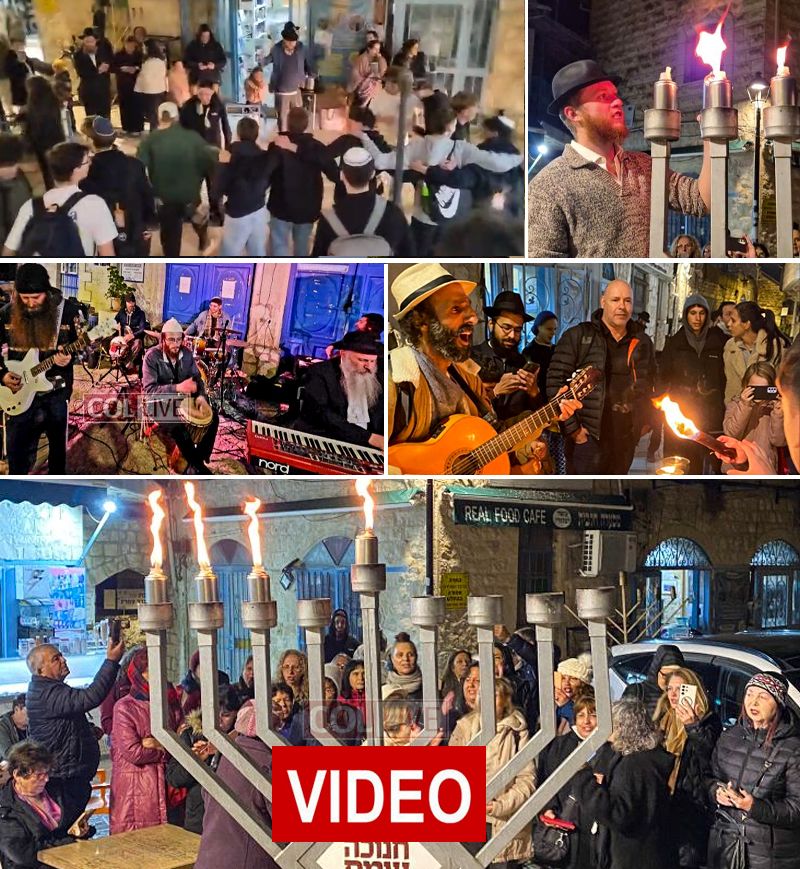
Throughout all eight nights of Hanukkah, the students and graduates of the Rabbinical College carried that message across Boston. They visited hundreds of homes, businesses, schools, senior centers, and assisted-living facilities, lighting menorahs, organizing public celebrations and concerts, and bringing the joy and light of Hanukkah to every corner of the city.
The event was attended by the Consul General of Israel to New England, Benni Sharoni, who praised the contribution of the Rabbinical College of Boston in strengthening Jewish life, as well as Chabad’s broader impact in reinforcing Jewish identity and the connection to the State of Israel throughout the region. During the evening, Rabbi Dan Rodkin, head of Shaloh House, was also acknowledged for his leadership and partnership in the establishment of the Rabbinical College.
Now well into its fourth year of operation, the Rabbinical College of Boston continues to grow in scope and influence. Its students and graduates are active year-round—supporting minyanim and synagogues, teaching Torah classes, organizing holiday initiatives, distributing matzah and menorahs, reading the Megillah, delivering mishloach manot, working with children and youth, visiting seniors, and serving as shluchim devoted to Jewish continuity.
At a time of rising antisemitism, the Rabbinical College of Boston stands as a living answer—transforming violence into leadership, fear into faith, and darkness into enduring light through Torah, smicha, and shlichut.
The Rabbinical College of Boston is currently in the midst of a crucial campaign to sustain and expand its vital work. Members of the public are invited to become partners in this mission and help ensure that the light continues to grow.
Together, the Jewish response to darkness remains dignified, resilient, and unbreakable.
Click here to donate now!
VIDEO



Thanks for sharing