
By COLlive reporter
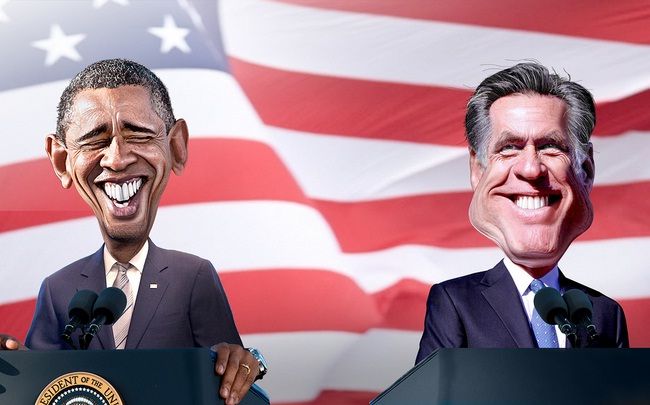
Republicans are accusing President Barack Obama of “gutting welfare reform” by lifting a provision that required people receiving welfare to work.
Obama moved last month to allow states to seek waivers from some welfare rules if they show that doing so results in better outcomes.
Conservatives fear the waivers will lead to an end of the work requirement and promise that Mitt Romney would “put work back in welfare.”
But the real question perhaps should be where does the Torah stand on the issues of welfare and food stamps.
In a second class about the 2012 presidential election, Ohio Shliach Rabbi Nochum Mangel discuses “Funding Social Services” and answers what is the Torah view on how a society can express compassion while also teaching individual responsibility.
With modern governments using their authority to tax their constituents for money to spend on such things as defense and security, public works and social services, the question is asked should an able-bodied person be allowed to collect welfare and what if somebody is capable of working and simply doesn’t want to?
Mangel checks in on how did Jewish communities understand their role in furthering the welfare of the people and how does halacha articulate the problems so that we proceed with effective and ethical actions that will achieve a well-understood and well-conceived goal.
“We all know the Rambam’s ‘8 Levels of Charity’ and that giving somebody a way to make a living is the highest form of tzedakah,” he points out. “So, let’s ask, ‘Should the government pick winners or losers?’ Should they support people who can’t make a living or is it better to give, say, small business grants to people with initiative and skill who can go on to become self-sufficient?”
His answer, which he co-authored as a 6-part series with Rabbi Shmuel Klatzkin, is yes.
Mangel argues that when it comes to somebody who can work but won’t work, the only chiyuv is to make sure the guy doesn’t starve to death but that we have no obligation to make sure he has anything else.
He says that if we want to spend more money on supporting poor people, we should give them grants to create businesses.
VIDEO: Class (download: handout)
Visit Jewish.TV for more Jewish videos.



Sholom uVrochoh, With regard to the subject being discussed here: There is a concept in Chassidus that the nature of a person is for one’s intellect to follows one’s will, meaning: a person naturally finds an intellectual rationalization that fits a conclusion they have a will to come to or derive a benefit from. Enter Torah/Halachah. While most people are familiar with the concept of Tzedakah as a voluntary contribution, Halachah mandates (requires) that “food and clothing” be provided to the (both Jewish and non-Jewish) poor. This is not a voluntary contribution. According to Halachah, the authority (Shoftim veShotrim, Judges… Read more »
Yes, I think things such as providing job education fit the bill of what Rambam was talking about — namely, things that bolster not only the person’s financial state but also his or her dignity. Education certainly fits the bill. Your challenge and question, more importantly, understands the potential of the Torah approach. In todays’s overheated political arena, Keynesians and Milton Friedman advocates fight with each other like Protestants and Catholics in the Thrity Year’s war. But within the Torah, we are quite free to join the debate, with respect and with vigor, and instead of ripping each other to… Read more »
Having seen the amount of research that Rabbi Mangel does just for his amazing Shabbos Drashas and the humble knowledge that Rabbi Klatzkin has, these 2 are a team that we can all really learn from and admire. Being in camp in Dayton has given me perspective in my life and your advice and opinions are always perfectly researched. From Greater Dayton to the rest of the world, great to hear from you again.
1) It’s simply false that 54% of Americans don’t pay any federal taxes. All employees are required to pay 7.65% (temporarily 5.65%) in FICA taxes, a federal tax that pays for current Medicare and Social Security beneficiaries. Additionally most working people pay state sales taxes along with state and city income taxes. As a percentage of their income, the working poor in the US, often pay higher taxes than the rich even without paying a dime in federal income tax. 2) How you manage to make the quantum leap from providing the poor with loans to start their own businesses,… Read more »
Thank you — interesting material! According to Rambam’s ladder, wouldn’t it be most ideal to give people education and job-training for jobs that are available? Not everyone has it in them to start their own business. A lot of people on welfare need affordable child care and skills that will get them a decent-paying job. It’s also society that decides how much jobs should pay — so why not increase the minimum wage so even people with the lowest-paying jobs don’t need welfare? In addition, it benefits everyone when society is more educated and law-abiding; so then why not pay… Read more »
Who are we supposed t vote for? (I know who NOT to vote for, though)
Have been watching this series and cant wait for the next installment. Thank you for posting.
Finally, an actual Torah perspective. I might not even agree with you, but at least you’re quoting the sources!
i lovevthe way you always look at topics and issues at hand and refer back to torah to explain everything…. this is the way we all have live life. always with a torah perspective im a big fan go nochie
This actually makes a lot of sense, but it should be done as an alternative to free money and not as an extra thing that the government is going to start.