
By Dovid Zaklikowski – Hasidic Archives
A woman in upstate New York was struggling within her religious community and felt that, when it came to keeping mitzvahs, she was “stuck.” While her family was immersed in Torah life, she felt that it was becoming foreign to her.
She recalled that when the Rebbe suffered a stroke, one of her Lubavitch teachers would say Tehillim with the class every day. At the time, she thought to herself, Why should I say Tehillim for their Rebbe? I’m not Lubavitch!
During her difficult moments, when she did not feel comfortable speaking with any of the local rabbis, she recalled those earlier days and felt, in a way, that the Rebbe owed her a debt.
With that thought, she decided to go to the Rebbe’s Ohel.
Standing there, she poured out her heart: “Listen, Lubavitcher Rebbe, I’m stuck. I’m not at peace, and I don’t know what to do. When you were sick, I said Tehillim for you every day. Now that I’m stuck, I want you to pray for me.”
That Sukkos, she told her family that she didn’t want to attend the communal festivities. Her husband asked if she would come along if they went somewhere farther away. At first, she refused, but when her children said they wanted to go to shul, she agreed. They traveled to a place in Arizona, near a Chabad House.
Throughout the holiday, she did not visit the Chabad House. But on Simchas Torah, something stirred within her and she felt she could not deprive her children of the dancing and joy.
The Chabad House was packed and lively. When the Shlucha noticed her, she went over and introduced herself. They began to talk, and the woman confided that she felt bitter about her religious life. “All I’ve been taught,” she said, “was what I’m not allowed to do. I feel no connection to mitzvahs.”
The Chabad representative told her that she wanted to give her a book of stories and letters from the Rebbe to women, one that might offer her a renewed perspective on life.
The woman did not return to the Chabad House again, so the Shlucha sent someone to deliver a few books. Inside one of them, she wrote her phone number in case the New York woman ever wanted to get in touch.
Two weeks after Sukkos, the woman called the Shlucha and asked if they could talk. She then poured out her heart and said she had been reading the book she’d received.
In it, she found a story about a group of women who had attended a Nshei Chabad convention in Oak Park, Michigan, and became “stuck” there due to a snowstorm that prevented them from returning to New York.
The Rebbe had replied: “The Baal Shem Tov teaches that every occurrence contains a directive in the service of G-d. When something happens whose meaning and purpose are apparent, the simple and obvious interpretation is that it provides an opportunity to spread Torah and mitzvahs to an even greater degree than was accomplished during the convention.”
The New York woman told the Shlucha, “The fact that we went to spend Sukkos in Arizona was not just an ‘occurrence,’ it was Divine Providence. It was orchestrated so that you would give me this book.”
She said she spent an entire day reading it from cover to cover, finding several letters that spoke directly to her situation. “I felt that the Rebbe was speaking to me personally,” she said, “I’ve decided to begin applying the advice I read to my daily life. For this, I want to thank you.”
Find the latest books by Hasidic Archives on HasidicArchives.com




Thank you for sharing
Boruch H’ and thank you Rebbe.
The rebbe is working non stop and helping yidden where ever they may be…. very touching
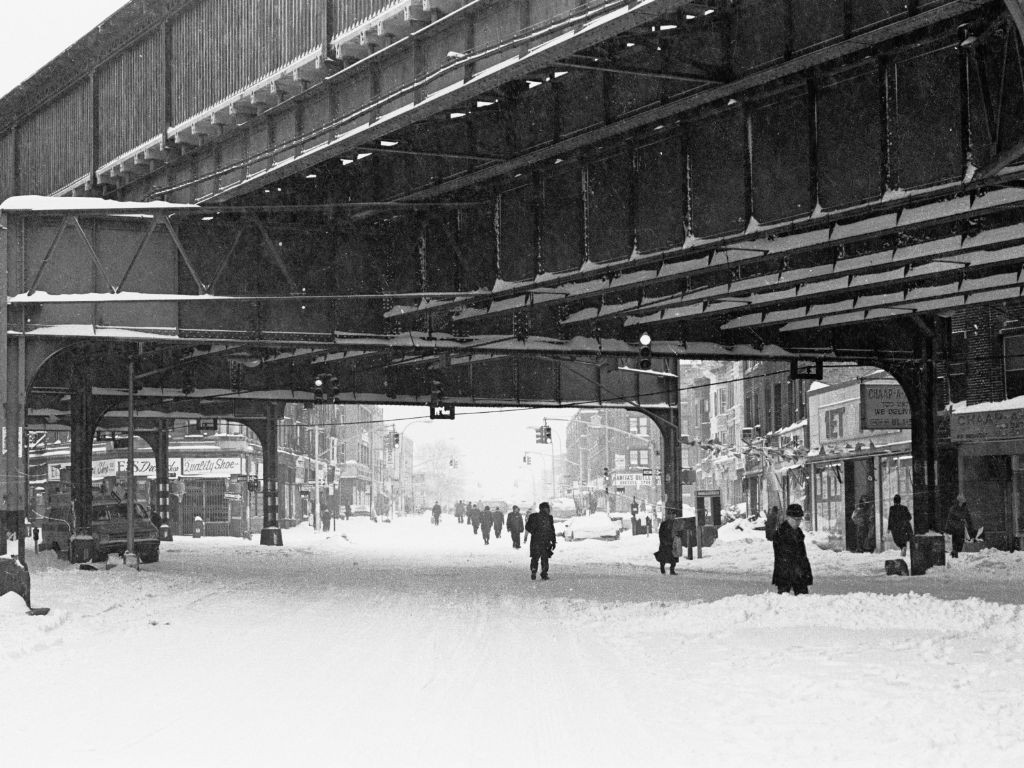
13th av. And new Utrecht back in the day