
By Dovid Zaklikowski for COLlive and Hasidic Archives
Rabbi Yehudah Leib Segal, dean of the Manchester Yeshivah, made a practice of extending Shabbos well into Saturday night. Thus, when many in the Manchester community were already busy with their weekday activities, Rabbi Segal was still delivering the Shabbos talk he had begun during the third meal.
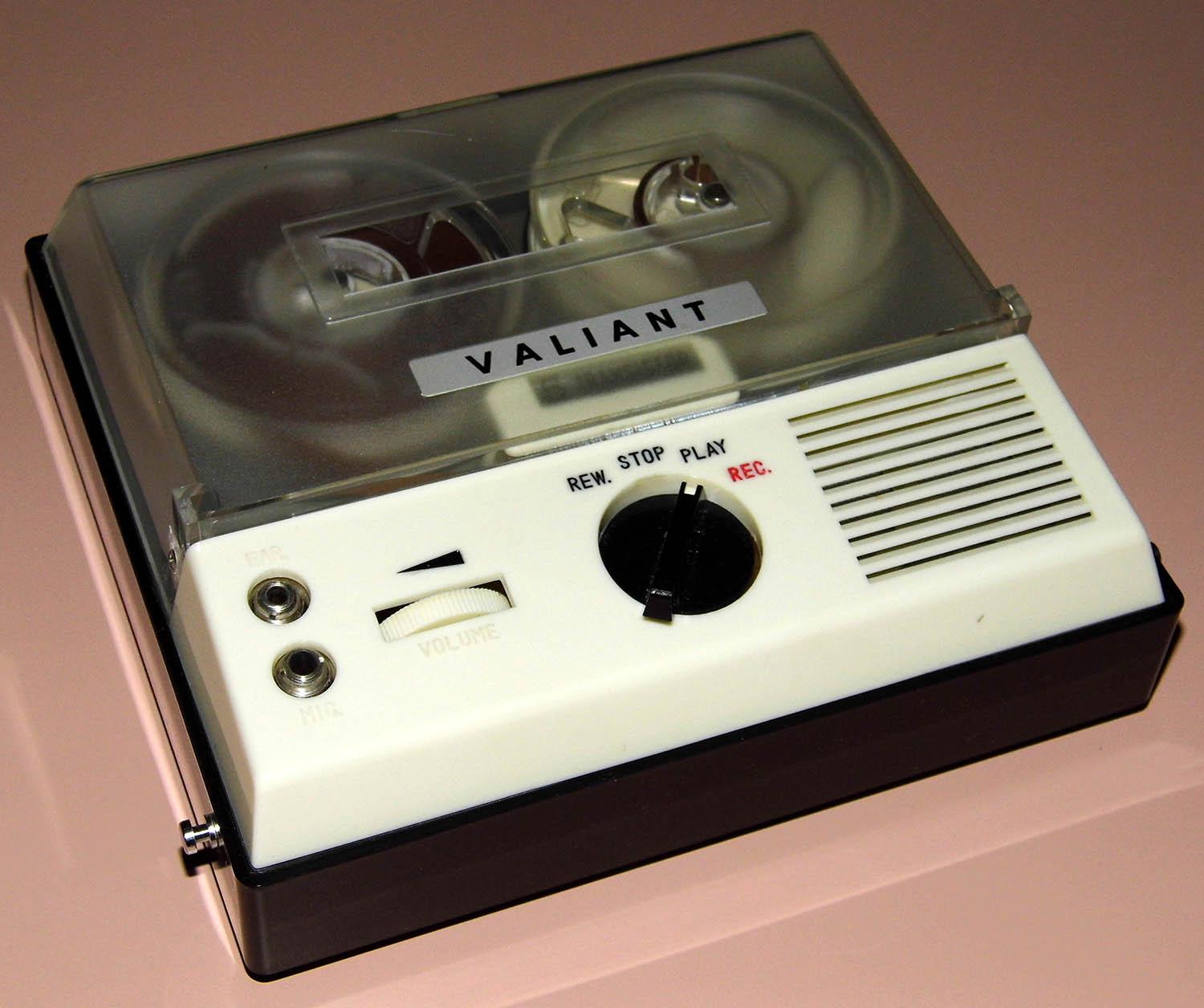
One student, from South America, wanted to record these talks. He asked a rabbi if it would be permissible, since Shabbos was technically over, though Rabbi Segal himself was still observing it. The rabbi said it would be, so long as he could get the dean’s permission.
The student then approached Rabbi Segal with his request. “When I return to South America, I will be able to listen to these recordings and be inspired,” he said.
Rabbi Segal said he needed to think about it. After another nudge from the student, he finally agreed, saying, “A person needs to do kindness to others.”
From then on, he ceased his custom, and ended Shabbos before beginning the talk.
Many years later, someone wanted to print the dean’s “Shabbos” lectures, but there was no record of them—he had never written them down. Then they remembered the South American student.
They tracked him down, and discovered that he still had all his recordings. True to his word, he had been listening all these years. Those old tapes became the source of his printed talks read by people all over the world.
Find Hasidic Archives latest books on HasidicArchives.com Judaism in a Nutshell and The Edifice: Dating, Marriage and an Everlasting Home, also available on Amazon Prime



Who was the student?