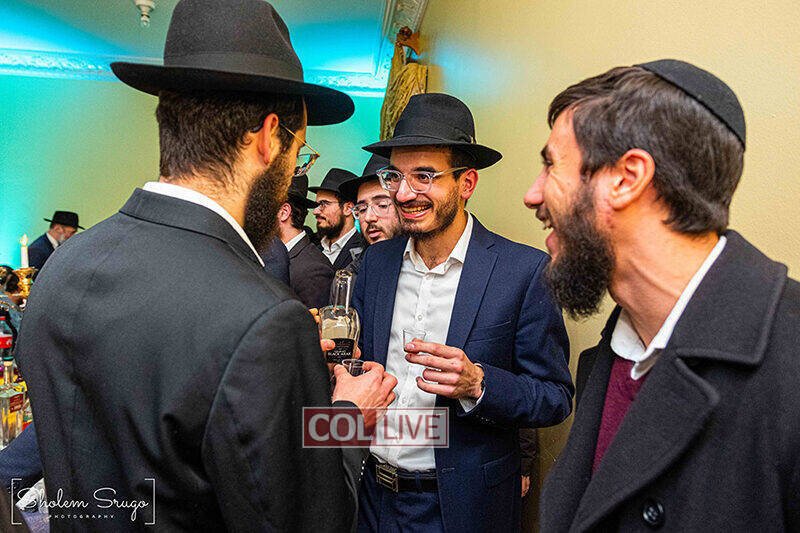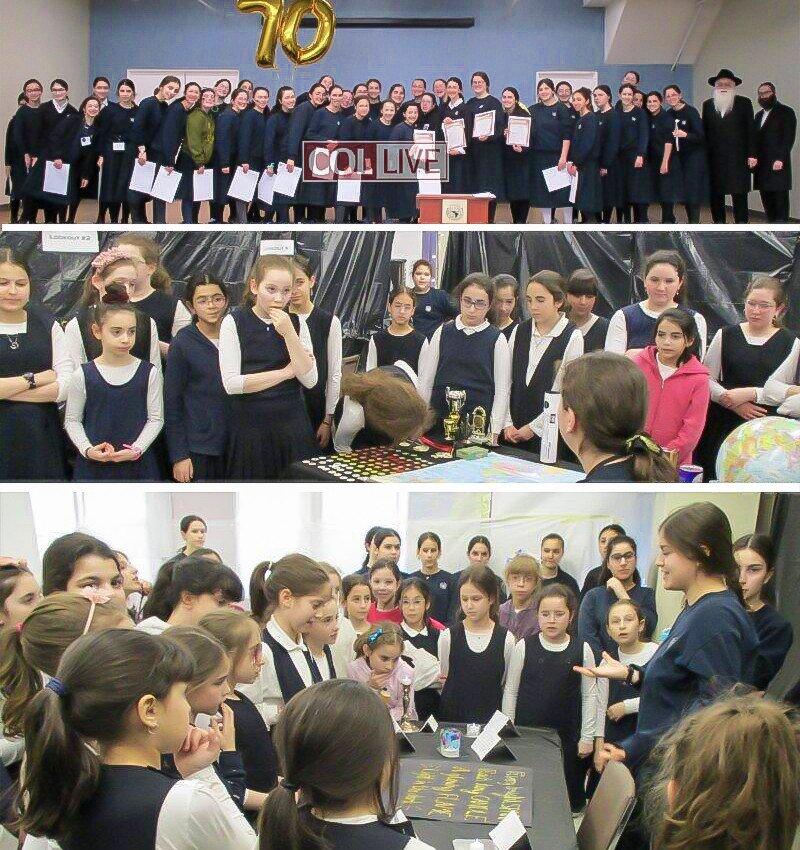
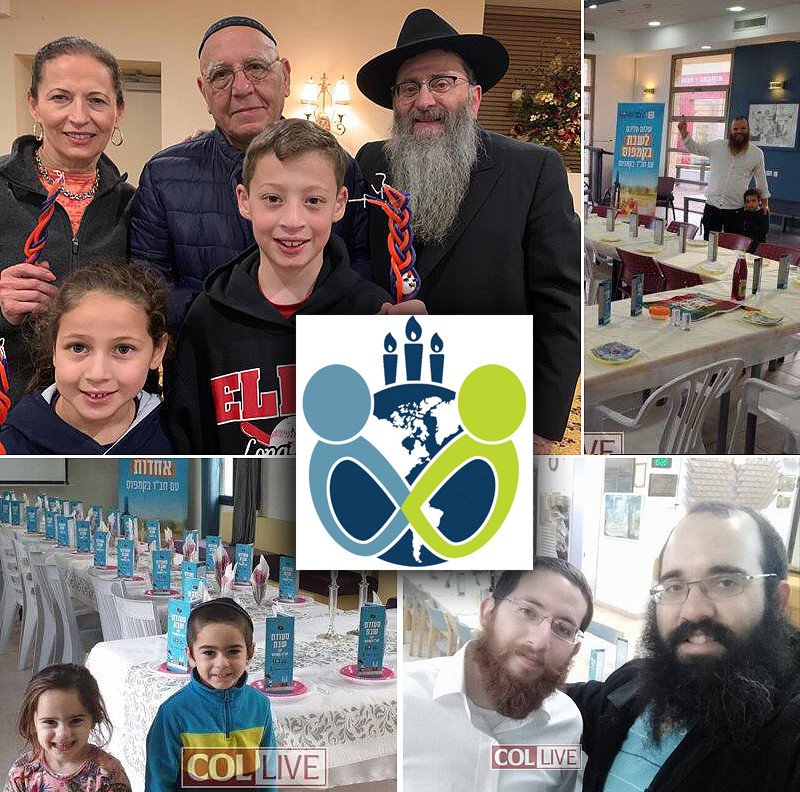
Including people living with disabilities and mental health conditions in Jewish communal life was the focus this past weekend in over 600 Jewish communities who took part in The Second Annual Global ShabbaTTogether initiative, a project of the Ruderman Chabad Inclusion Initiative.
At Chabad-Lubavitch of Memphis, Tenn., mental health awareness and inclusion took a giant step forward through personal testimonies and a discussion with psychiatrist Dr. Paul King. In Highland Lakes, Fla., participants joined in fighting the scourge of bullying. In Mission Viejo, Calif., community members participated in an inspiring Inclusion Havdalah. And in Bozeman, Mont., the Jewish community came together after the conclusion of Shabbat to watch “My Hero Brother,” the moving story of people with Down syndrome and their siblings embarking on a trek through the Himalayas.
From the over 300 participants who joined Friendship Circle of Miami Beach and North Dade at Friendship Bakery for a warm Shabbat meal, followed by the two-day Bike4Friendship ride, to the young Australians of the Aliya Youth Institute in Melbourne, a kaleidoscope of programs and initiatives focused on the many ways that individuals and communities can become more inclusive.
“It is incredibly inspiring to see the community unite behind this amazing cause,” said Rabbi Mendy Dechter, co-director of Friendship Circle of Miami Beach and North Dade. “Hundreds of people joined us over the course of the weekend, learning how to unite to create the beautiful tapestry that is our community. It just goes to show how dedicated people truly are to making sure everyone has a place.”
In Columbus, Ohio, participants heard from Joseph Bensmihen—who was born with spastic cerebral palsy and became a multimillionaire and congressional candidate—in a talk titled “The Art of Refusing to be an Outsider.” In Richmond, Va., an inclusive havdalah program was followed by a screening of the short film “The Interviewer,” with a powerful message of challenging stereotypes associated with people with disabilities.
On Long Island, N.Y., Rabbi Anchelle and Bluma Perl, co-directors of Chabad of Mineola, hosted a ShabbaTTogether concluding with Havdalah and a talk about inclusion and mental health by guest speaker Dr. Stephen Shore, a professor of special education at Adelphi University who is autistic and travels the world lecturing on the subject.
Friendship Circle of Wisconsin held their first-ever Shabbat dinner, as 175 people sat around tables adorned with centerpiece vases created by adults with disabilities. While Chabad centers across Long Island explored themes of inclusion over Shabbat, as did those in Calgary, Alberta, and Fargo, N.D. On the other side of the world, in Melbourne, Australia, two synagogues heard from Sharon Malecki, CEO of Access, Inc, a nonprofit dedicated to promoting the rights and interests of people with disabilities.
Chabad of Uptown Houston, Texas, held a Mental Health First Aid training course, and at Chabad of Manchester Universities in the U.K., Esty Simon shared a firsthand account of living with an invisible disability. And college campuses from Arizona State to Penn State, from George Mason University to University of Massachusetts held discussions to raise awareness and break the stigma surrounding mental health as well as strategies for increased mental wellness.
ShabbaTTogether is a project of the Ruderman Chabad Inclusion Initiative, an organization that empowers Jewish communities to create a welcoming and inclusive environment for people with disabilities and mental health conditions. The organization draws inspiration from the Rebbe, Rabbi Menachem M. Schneerson, of righteous memory, who taught that every individual who fulfills his or her obligations to the extent of their G‑d-given capacities shares in the totality of the effort and accomplishment of the entire Jewish people.
“Since its inception two years ago, ShabbaTTogether has grown in leaps and bounds,” said Dr. Sarah Kranz-Ciment, PT, DPT, project director of the Ruderman Chabad Inclusion Initiative and founder of Friendship Circle of Virginia. “Its impact reverberates throughout the world, and certainly helps bring practical inclusion to so many communities.”
Dr. Kranz-Ciment served as the guest moderator at a “Coffee and Conversation” held by the Richmond Jewish Readers Book Club on the breakthrough book Inclusion and the Power of the Individual, which was released earlier this year to mark 25 years since the Rebbe’s passing. Written by Rabbi Ari Sollish and published by Kehot Publication Society, the groundbreaking book shares the Rebbe’s pioneering teachings of the infinite potential of each person and how every individual has a unique role in the world that only they can fill.
Jay Ruderman, president of the Ruderman Family Foundation, explained why he partners with Chabad. “One fifth of the Jewish community live with disabilities and, historically, we have not been great at welcoming them. To Chabad, reaching out and welcoming people is natural,” he said. “The greatest advocates for equal rights for individuals with disabilities are those who are connected to them. ShabbaTTogether is an opportune moment to create these connections.”